

 Tiếng Việt
 PRODUCT CATEGORIES
Car transmission fluid is one of the most important fluids in your vehicle, yet it’s also one of the most overlooked when it comes to routine maintenance. Spotting the signs that it needs changing early keeps your car shifting smoothly, extends the life of the transmission, and saves you from the kind of repair bill nobody wants to face.
What is car transmission fluid?
The basics
Car transmission fluid is a specialized lubricant made just for the transmission. Its job is to lubricate, cool, and transfer power between the mechanical parts inside. Unlike engine oil, it’s formulated to handle the intense pressure, high heat, and constant friction generated as the gears, clutches, and hydraulic valves do their work.
Every transmission is built differently, so the manufacturer specifies a particular fluid for each one. Using the right type isn’t optional; it’s essential. Pour in the wrong fluid and you can damage the transmission, sometimes badly.
Why transmission fluid matters
Transmission fluid plays a critical role in keeping your car running the way it should.
It lubricates the internal parts such as the gears, shafts, clutches, and hydraulic valves, cutting down friction, limiting wear, and helping the whole assembly last longer.
It also keeps things cool. As those parts grind against each other for hours on end, they generate a lot of heat. Without proper cooling, the transmission overheats, oxidizes, and breaks down fast.
In automatics, the fluid takes on an extra job, transferring power through the hydraulic pump system. When the fluid is low or poor quality, that pump can’t build enough pressure. The result is an engine that revs higher while the car still feels weak and slow to accelerate. Clean fluid also keeps the hydraulic valves from clogging with the tiny metal particles that build up during normal driving.
Manual (MTF) vs. Automatic (ATF) Transmission Fluid
Nearly every car on the road today runs either a manual or an automatic transmission, and each one needs its own dedicated fluid. Knowing the difference matters, because mixing them up at the shop is a costly mistake.
Manual transmission fluid (MTF)
MTF (Manual Transmission Fluid) is used in manual cars, where the driver handles every gear change through the clutch pedal. It’s a high-viscosity, heavy-duty fluid built mainly to lubricate the gears and protect the mechanical parts from wear. MTF is usually yellow or amber, and its properties hold up well over time.
Automatic transmission fluid (ATF)
ATF (Automatic Transmission Fluid) is a far more complex formula. On top of lubricating and cooling, it acts as the power-transfer fluid inside the torque converter and helps control the clutches and valves within the transmission. Because of that, ATF is thinner and packed with additives that resist oxidation, prevent foaming, and stabilize temperature. It’s typically bright red or pink, which makes it easy to tell apart from other fluids.
One crucial point to remember is that MTF and ATF are not interchangeable. Use the wrong one and the transmission will deteriorate quickly, and you can do serious damage to the internal mechanics in a surprisingly short time.
5 signs your car needs a transmission fluid change
According to automotive technicians, a few common warning signs tell you it’s time to change the transmission fluid.

1. The fluid changes color and smells burnt
Fresh fluid is bright red or pink with a faintly sweet smell. Pull the dipstick, and if the fluid has turned dark brown, milky brown, or carries a harsh burnt odor, it’s time for a change. That’s a clear sign the fluid has oxidized, picked up debris, and lost the lubricating power it needs.
2. Hard or jerky shifting
When the fluid is dirty or low, the hydraulic pump can’t generate enough pressure, and shifts become slow and labored. In a manual, you’ll often hear a grinding screech going into gear. In an automatic, you’ll feel the car hesitate or jolt slightly each time it changes gears.
3. The check engine light comes on
Sensors inside the transmission can detect even the smallest vibrations, so when the fluid degrades or something’s off, the system flags a warning on your dashboard.
4. Fluid leaking under the car
If you spot red or brown patches pooling on the ground where you park, get the car checked right away. Left unaddressed, a leak starves the transmission of lubrication and leads to rapid failure.
5. Gear slipping
If the transmission suddenly jumps to a different gear or drops into neutral on its own, with no input from you, that’s a sign the internal gears are wearing down from a lack of lubrication or badly contaminated fluid. Get the car inspected immediately to avoid an unexpected accident.
When should you change car transmission fluid?
The right time to change your transmission fluid depends on the type of transmission and how the car is actually driven. Most modern cars come with one of two kinds of automatic transmission, one with a dipstick (an “open” transmission) and one without (a “sealed” transmission).
Manufacturers generally recommend changing the fluid every 50,000 km on an open transmission. With a sealed transmission, you may not need a scheduled change at all, just a top-up when it runs low. That said, even when a manufacturer markets it as “lifetime fluid,” experts still recommend a change every 120,000 to 150,000 km. Real-world conditions in Vietnam, including hot and humid weather, frequent traffic jams, and dusty roads, all wear the fluid down faster than the spec sheet suggests.
For manual transmissions, the interval typically falls between 40,000 and 80,000 km depending on the model. Beyond the regular schedule, change it sooner if you often carry heavy loads, drive on rough terrain, or notice any of the warning signs above.
The best move is to read your owner’s manual carefully so you know the manufacturer’s specific recommendation, then build a maintenance schedule that fits your car.
XADO car transmission fluid and European Revitalizant® technology
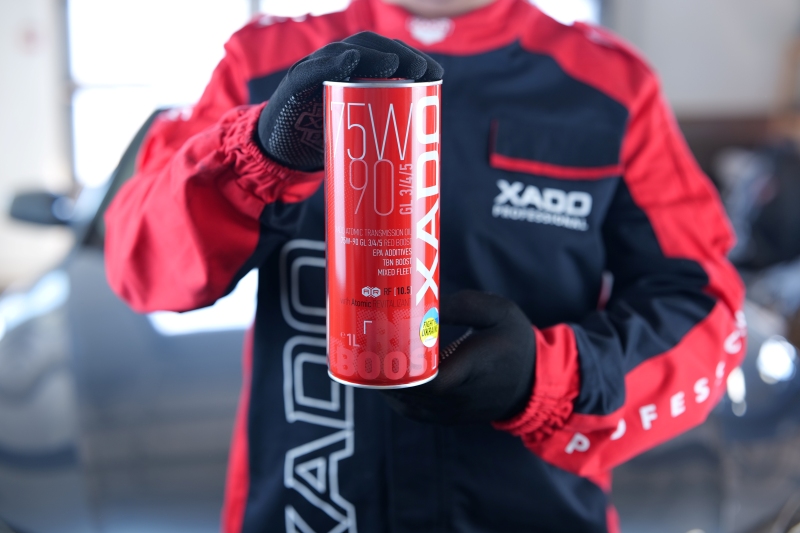
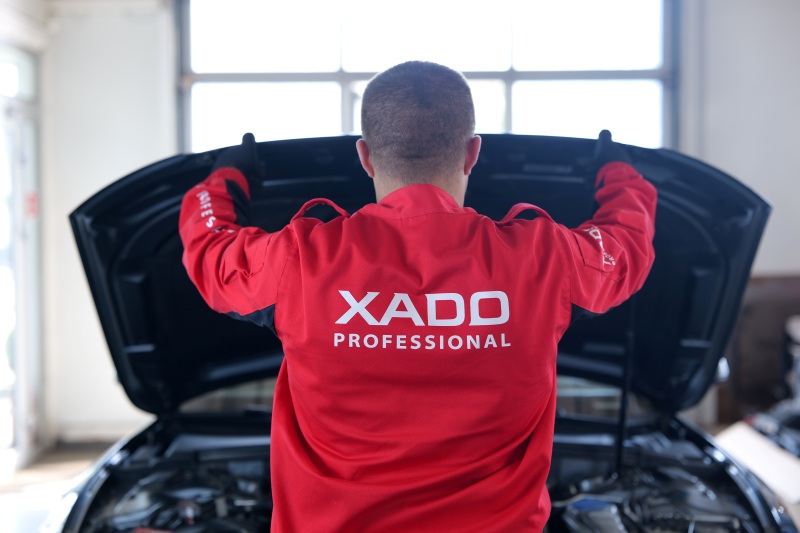
Among the transmission fluid brands on the market, XADO stands out with experts and car owners alike thanks to its proprietary Revitalizant® technology from Europe. This advanced additive technology actually repairs worn metal surfaces while you drive, extending the life of the transmission and improving how power gets delivered.
Where ordinary transmission fluids stop at lubricating and cooling, XADO transmission fluid goes further. It forms an ultra-durable protective layer on the metal parts, reducing friction, limiting wear, and smoothing out the gears and clutches inside the transmission. The payoff is a car that runs more smoothly, shifts more gently, and uses noticeably less fuel.
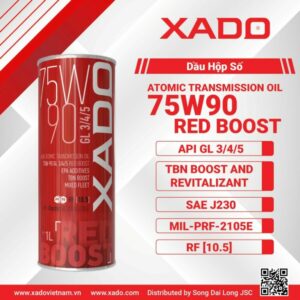
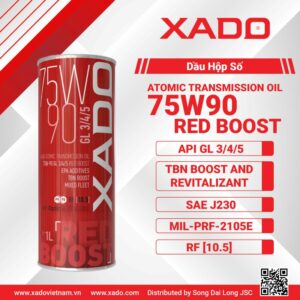
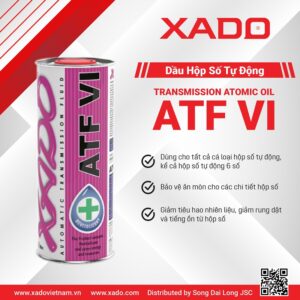
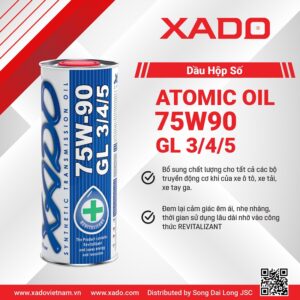
XADO offers a full range for both manual and automatic transmissions, meeting the technical standards of most popular car brands in Vietnam. With quality proven across many European countries, XADO is well worth considering for any owner who wants to care for their transmission properly and extend the life of their car’s “second heart.”
>> XADO car transmission fluid:
Choosing the right car transmission fluid and changing it on schedule doesn’t just keep your car running reliably, it’s a smart way to save on repair costs over the long run. Don’t wait until the transmission starts making noise or the car begins to jerk before you have it checked, because by then it may already be too late. Follow XADO News for more tips on taking better care of your car.
XADO VIETNAM
Address: 2nd Floor, VinFast Building – D1, 135–139 Dong Van Cong Street, Cat Lai Ward, Ho Chi Minh City
Website: www.xadovietnam.vn
Dealership inquiries: 028 77777 369
Email: kinhdoanh@songdailong.com
 About XADO