


 Tiếng Việt
 PRODUCT CATEGORIES
Anyone who rides regularly runs into oil problems sooner or later. Sometimes the oil turns dark and sludgy, sometimes water gets in and it takes on that milky, coffee-with-cream color, and sometimes the bike just keeps losing oil for no obvious reason. So which of these is the real red flag, the one that means your engine needs attention right now?
Each of these symptoms points to a different problem inside the engine. But a motorcycle burning oil is by far the sneakiest of the three, and one of the most damaging if you let it slide. It happens quietly, and by the time most riders notice, the damage is already done. This guide walks you through what causes it, how to spot it early, and what to do about it.

What Engine Oil Actually Does for Your Motorcycle
Before we get into why a motorcycle starts burning oil, it helps to understand just how much your engine depends on that oil in the first place. Think of it the way your body depends on blood: without it, nothing runs for long.
Engine oil does four essential jobs:
Lubrication and reducing friction: This is the big one. There are hundreds of metal parts moving at high speed inside your engine, pistons, cylinders, the crankshaft, the camshaft, and oil lays down a thin protective film between them. That film keeps everything moving smoothly, cuts down on wear, and stops metal parts from grinding against each other and seizing up.
Cooling: Combustion and friction generate a tremendous amount of heat. As the oil circulates, it absorbs that heat and carries it away, helping the engine hold a steady operating temperature instead of overheating.
Keeping things clean: Oil also picks up the grime, carbon deposits, and tiny metal shavings that build up as the engine runs, holding them in suspension until the oil filter traps them.
Preventing rust and protecting metal: The oil film coats internal components and slows oxidation, shielding the metal from rust and adding years to the engine’s life.
Because oil handles all of these jobs at once, a motorcycle burning oil isn’t a small inconvenience. When oil runs low, every one of these functions suffers, and the knock-on effects can be severe.

5 Signs Your Motorcycle Is Burning Oil
A little oil consumption is normal over time. But when the level drops faster than it should, your engine is trying to tell you something. Catch these five signs early and you can deal with the problem before it turns into a major repair.
1. White or light blue smoke from the exhaust
This is the classic, hard-to-miss sign of a motorcycle burning oil. The smoke usually comes with the sharp, acrid smell of burnt oil, a clear sign that oil is leaking into the combustion chamber and burning off along with the fuel. You’ll notice it most on a cold start or during hard acceleration.
2. The bike feels sluggish and the engine works harder
When the oil level drops, lubrication falls off and friction between the metal parts climbs. The engine has to fight to hold its speed, so the bike feels heavy and underpowered, slow to pick up, and noticeably thirstier at the pump.
3. Strange noises from the engine
With too little oil, the protective film gets too thin to do its job, and you start getting metal-on-metal contact. That shows up as a “ticking” or a heavier “knocking” sound, often coming from around the crankshaft. It’s a warning that parts are wearing fast inside the engine.
4. The dipstick drops quickly
If the oil falls from the MAX mark down toward MIN in an unusually short time, the engine is either leaking or burning oil internally. Get into the habit of checking the dipstick regularly so you catch this early.
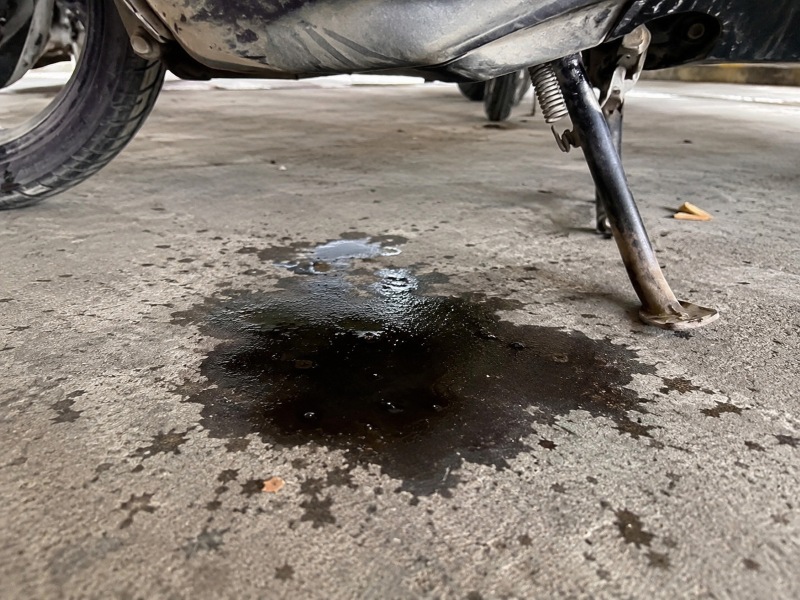
5. Oil pooling under the bike
A puddle or smear of oil where you park is a sign of a leak from one of the sealing parts, the head gasket, a crankshaft seal, or a damaged oil drain bolt.
Reasons a Motorcycle Burns Oil
A motorcycle can burn or lose oil for all kinds of reasons, from worn internal components to everyday riding habits. Here are the seven most common culprits.
Worn piston rings
The piston rings seal the combustion chamber and scrape oil off the cylinder wall back down into the crankcase. As they wear over the years, they can no longer wipe the cylinder clean, so oil slips into the combustion chamber and burns with the fuel, producing that telltale white smoke out the exhaust.
Hardened, worn-out valve seals
Valve seals keep oil up in the cylinder head from draining down into the combustion chamber. When the rubber hardens and breaks down under heat and age, the gap between the valve stem and its guide widens. Oil seeps through those gaps, drips into the combustion chamber, and burns off as blue smoke.
A scored or unevenly worn cylinder
After a lot of miles, the cylinder bore can wear unevenly and develop deep scratches or grooves. The wider gap between piston and cylinder wall lets oil creep up into the combustion chamber and burn. This is common on older, high-mileage bikes, especially if they’ve spent a lot of time overloaded or running at high RPM.
Leaking gaskets and crankshaft seals
An engine has a lot of joints, and parts like the crankshaft seals, head gasket, and crankcase gasket all exist to keep oil from escaping. Over time, heat and constant friction make them harden, crack, or lose their elasticity. Once that happens, oil leaks out, the level drops fast, and you get those stains under the bike.
Using the wrong oil
Every motorcycle has a recommended oil grade. Run oil that’s too thin and the film becomes too weak, burning off and depleting faster. Run it too thick and the oil pump struggles, which hurts lubrication across the board. On top of that, cheap or counterfeit oil gets dirty quickly, darkens early, and loses its protective qualities.
Rough riding habits
Not every case of a motorcycle burning oil comes down to a mechanical fault, sometimes it’s simply how the bike is ridden. Snapping the throttle open and shut creates sharp swings in combustion-chamber pressure that pull extra oil up from the cylinder wall.
Constantly overloading the bike, launching hard from a stop, holding high speeds for long stretches, or skipping scheduled maintenance all speed up wear and oil consumption too.
Is a Motorcycle Burning Oil Dangerous?
Plenty of riders shrug it off and figure they’ll just top up the oil and move on. That’s a risky assumption, and it can lead to serious damage.
Early stage
When oil runs low and isn’t topped up in time, parts like the pistons, cylinder, and camshaft start rubbing directly against each other at high temperature. The engine heats up abnormally fast, gets loud, loses power, and burns noticeably more fuel. You’ll feel the bike struggle to accelerate and lose the smoothness it used to have.
If you let it go on
Leave it long enough and the consequences get dangerous:
The engine seizes and the bike dies on the road. With too little lubrication, the piston expands too much and locks up inside the cylinder, killing the engine on the spot. That’s an expensive repair, and a real safety hazard if it happens at speed.
Hidden damage you can’t see coming. Dark oil or water-contaminated oil shows up the moment you drain it. Oil burning is scarier precisely because it happens quietly and continuously. By the time you notice, the internals are usually badly worn, and fixing it is both costly and hard to fully reverse.
Pollution. A motorcycle burning oil also pumps out blue smoke loaded with harmful emissions, which is bad for the environment and for everyone else on the road.
How to Fix a Motorcycle That’s Burning Oil
Fixing the problem for good usually means tackling it from several angles at once, based on the actual cause. Here’s how.
Replace the worn parts
If the root cause is worn piston rings, hardened valve seals, or leaking gaskets and seals, there’s only one real fix: replace the worn parts. This is skilled work, so take the bike to an authorized service center or a trusted mechanic.
Rebuild or rebore when needed
If the cylinder is heavily worn or deeply scored, you may need an engine rebuild to restore proper compression and lubrication. Depending on how bad it is, the mechanic might rebore the cylinder and fit an oversized piston, or replace the engine block entirely.
Change your oil on schedule
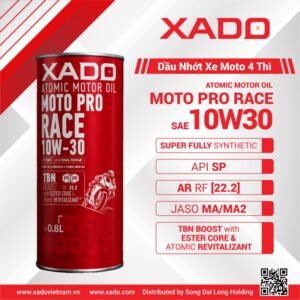
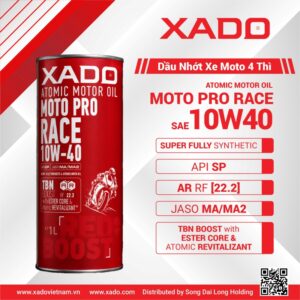
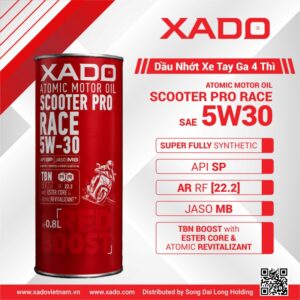
Changing oil on time keeps lubrication at its best and clears out built-up gunk. As a general guide, change it every 1,500–2,000 km on mineral oil, every 2,000–3,000 km on semi-synthetic, and every 3,000–4,000 km on full synthetic. If you ride mostly in stop-and-go traffic, dust, or under heavy loads, shorten that interval to keep the engine well protected.
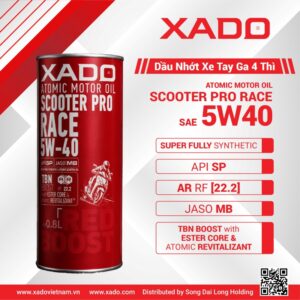
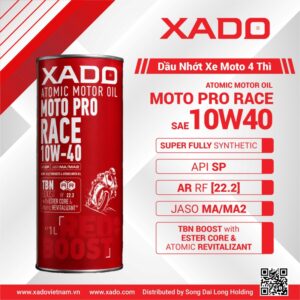
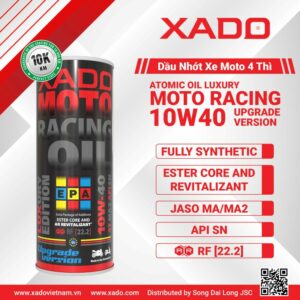
>> A few premium motorcycle oils worth considering:


Ride more smoothly
The simplest way to cut down on oil consumption is to ride gently: shift at the right moments and keep the RPM steady. Avoid snapping the throttle, don’t overload the bike, and steer clear of holding high speeds for long stretches.
How to Prevent Oil Burning Before It Starts
An ounce of prevention beats a pound of cure. Staying on top of basic maintenance saves you a serious repair bill and adds years to your bike’s life.
Check the oil level every two weeks
Make it a habit to check the dipstick about once every two weeks. It takes a minute, and it lets you catch a dropping oil level early, so you can top up before the engine ever has to run short on lubrication.
Get a full service every 3,000–5,000 km
Take the bike in for regular servicing at a reputable shop so they can check the key systems together, including:
- The air filter and spark plug
- The drive belt (on scooters)
- The condition of the gaskets and seals
- Combustion chamber compression
- The current oil level and oil quality
A thorough service catches small problems before they grow, stops oil burning in its earliest stages, and keeps your engine running at its best.
The Bottom Line
A motorcycle burning oil is not something to brush off. Let it drag on and it can do serious harm to your engine. Stay proactive: check your oil, service the bike on schedule, and deal with any warning sign the moment it appears, so your ride stays reliable and safe mile after mile. And be sure to follow XADO Vietnam for more practical motorcycle care tips.
XADO VIETNAM
Address: 2nd Floor, VinFast Building – D1, 135–139 Dong Van Cong Street, Cat Lai Ward, Ho Chi Minh City
Website: www.xadovietnam.vn
Dealership inquiries: 028 77777 369
Email: kinhdoanh@songdailong.com







 About XADO