

 Tiếng Việt
 PRODUCT CATEGORIES
Polyalphaolefin (PAO) oil is one of the most advanced synthetic lubricants available today. Made from synthetic hydrocarbon compounds, PAO oil offers a long list of advantages over traditional mineral oils. In this article we take a closer look at what Polyalphaolefin (PAO) oil really is, why it performs the way it does, and where it fits in both industrial and automotive use.
What is Polyalphaolefin (PAO) Oil?
PAO, short for Polyalphaolefin, is a synthetic base oil used widely throughout the lubricant industry. It is a synthetic hydrocarbon (SHC) known for reproducing the ideal molecular structure found in mineral oil (branched, ring-free hydrocarbons). Thanks to this, PAO has successfully overcome the built-in limitations of conventional mineral base oils.
Polyalphaolefin (PAO) oil has a unique molecular structure with none of the harmful components found in lesser oils, such as benzene rings, double bonds, sulphur, nitrogen, or volatile hydrocarbons. That clean structure is exactly what gives PAO its standout properties.
High viscosity index
PAO delivers a viscosity index (VI) of roughly 130-140, compared with close to 100 for mineral oil. A high VI means the oil holds its viscosity steady across a wide temperature range, so it keeps lubricating reliably no matter the conditions.
High thermal resistance
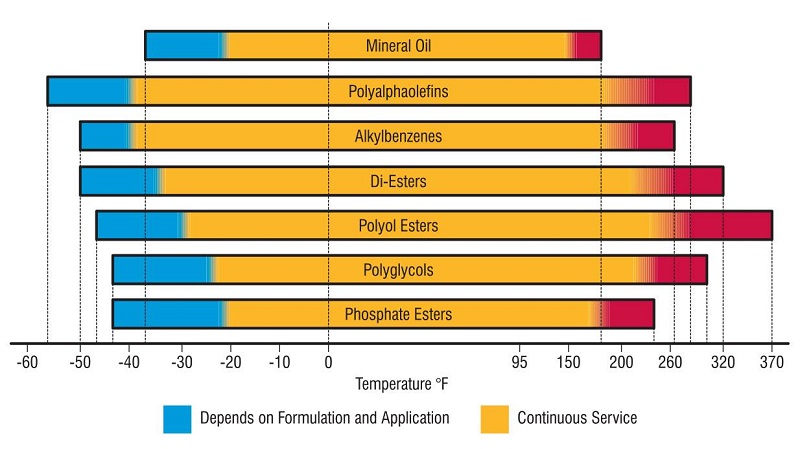
PAO runs continuously at temperatures up to 160°C and can withstand sudden spikes as high as 270°C.
Low pour point
Because it contains no wax, PAO stays fluid even at extreme lows, from -50°C down to -60°C. That makes it a natural fit for cold climates.
High oxidation stability
PAO resists oxidation, which extends the service life of the oil and keeps the engine better protected over time.
Low volatility
A high flash point reduces the risk of fire and cuts hydrocarbon emissions.
Good compatibility
PAO mixes well with common mineral oils, paints, and seals, so it slots easily into existing systems.
Low deposit formation
PAO produces far less sludge than mineral oil, helping protect engines and mechanical equipment from wear.
These strengths explain why PAO is used so broadly:
- Automotive: engine oils, gear oils, transmission fluids, and more.
- Industrial: hydraulic oils, gear oils, bearing oils, compressor oils.
- Greases: as a base component for multi-purpose lubricating greases.
PAO does have a couple of trade-offs tied to that same molecular structure. It struggles to dissolve some common oil additives and tends to shrink rubber seals. The usual fix is to blend PAO with other synthetic base oils such as esters. On top of that, PAO breaks down slowly in nature and offers weaker fire resistance, igniting more easily than some other synthetic base oils.
Today’s most effective engine lubrication solution
As technology keeps advancing and the demand for lubrication performance climbs, the search for better oils never really stops. Polyalphaolefin (PAO) oil and ester base oil both stand near the top of that search, each with its own clear strengths. But each also has weak spots. Blending the two lets you keep the best of both and cancel out their individual weaknesses, which produces a more complete lubrication solution built for the tough demands of industry and modern engines.
Ester base oil is another type of synthetic oil, well known for strong lubricity, thermal stability, and high solvency. Paired with PAO, the two complement each other and create a powerful lubricant with genuinely premium characteristics.
See also: What is ester base oil? Its role in engine oil explained
Better additive solubility and blending
One of the biggest advantages of ester base oil is how effectively it dissolves common oil additives. That directly addresses PAO’s weakness with additive solubility. Blended into PAO, ester keeps the mixture uniform and stable, which keeps lubrication performance at its best.
Better fire resistance and thermal stability
Ester base oil brings good fire resistance and high thermal stability. Combined with PAO, the blend not only holds a steady viscosity across a wide temperature range but also lowers the risk of fire. That matters most in applications that demand high safety and continuous operation in harsh conditions.
Material compatibility
PAO tends to shrink rubber seals, but ester base oil is highly compatible with these materials, so it protects and extends the life of parts like seals and gaskets. The combination keeps lubrication systems running smoothly without harming the engine’s material components.
Stronger engine protection and less wear
Both PAO and ester produce little sludge and resist oxidation well. Together they form a more durable lubricating film that shields the engine and mechanical parts from wear. That keeps engine performance up, lowers maintenance costs, and adds to equipment life.
Blending Polyalphaolefin (PAO) oil with ester base oil delivers a well-rounded lubrication solution, drawing on the strengths of each oil to cover the gaps of the other. The result improves lubrication performance while securing safety, durability, and top-tier engine protection. For applications that call for endurance and high efficiency, a PAO and ester blend is an ideal choice that adds real value for users and manufacturers alike.
XADO Red Boost: Outstanding engine protection
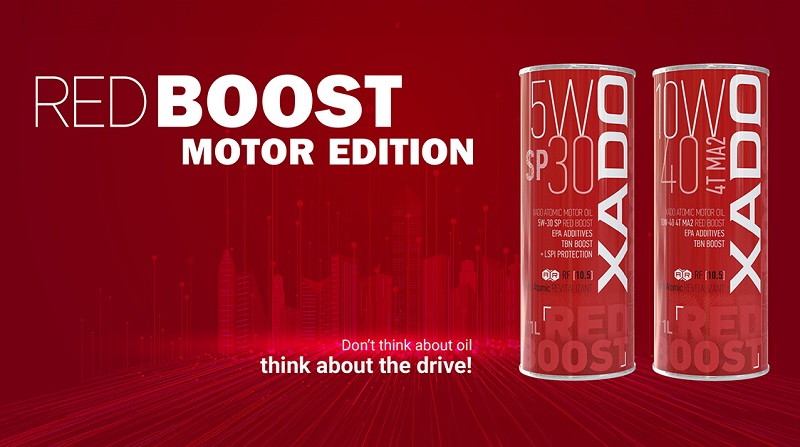
To bring drivers a complete lubrication solution, XADO Vietnam is proud to introduce its new product line, XADO Atomic Oil Red Boost. It is a flagship example of the perfect pairing of ester base oil and Polyalphaolefin (PAO) oil. On top of that, Red Boost is built on XADO’s leading technologies, including TBN Boost and REVITALIZANT®, for results you can feel:
- Ester and PAO base oils: the ideal pairing we covered above, forming a high-performance lubricating blend that minimizes friction, shields the engine from wear, and extends its life.
- TBN Boost: XADO’s TBN Boost technology neutralizes acids effectively, prevents deposit buildup, and extends the life of the oil.
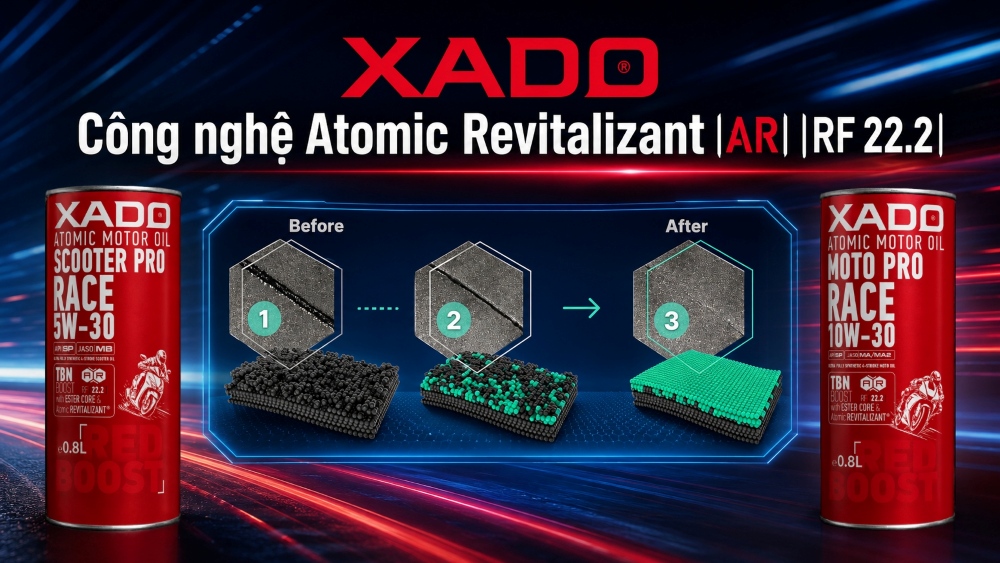
- REVITALIZANT®: with a boosted Atomic Revitalizant |AR| |RF 10.5| concentration, XADO’s patented REVITALIZANT® technology restores worn metal surfaces with a self-regulating ceramic-metal layer, helping the engine run smoother and last longer.
Blending modern technology with decades of experience, XADO Atomic Oil Red Boost is more than just a motor oil. It is a complete solution that protects your engine the way it should be protected.
Polyalphaolefin (PAO) oil is steadily becoming the preferred choice for industrial and automotive applications thanks to its standout performance. Using PAO oil does more than lift operating performance. It also supports a cleaner environment and pays off economically over the long run. If you are looking for an effective, dependable lubrication solution, Polyalphaolefin (PAO) oil is one you should not overlook.
XADO VIETNAM
Address: 2nd Floor, VinFast Building – D1, 135–139 Dong Van Cong Street, Cat Lai Ward, Ho Chi Minh City
Website: www.xadovietnam.vn
Dealership inquiries: 028 77777 369
Email: kinhdoanh@songdailong.com

 About XADO